ABOUT US
Beijing Antaios Technology Co., Ltd. specializes in engine power solutions for small and medium‑sized construction machinery. With 10 years of expertise, we provide customized solutions and strict factory bench testing with complete test reports and traceable data to ensure reliable quality.
GET A FREE QUOTE

A Precision-Matched Deutz engine 1013 Series Guide: Construction Machinery Industrial Solutions
-
 author
 - 16,July
 author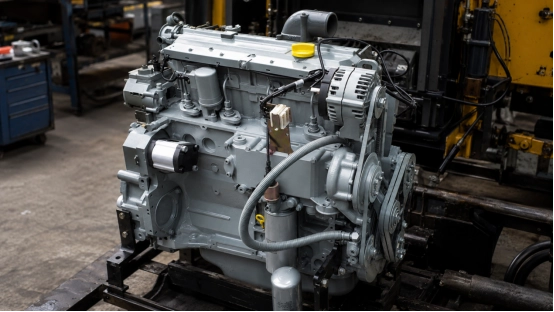
A Precision-Matched Deutz engine is not chosen by model name alone. For new construction machinery and industrial equipment, the real question is whether the engine can fit the machine, carry the working load, pass inspection before shipment, and arrive with clear technical documents. The 1013 Series still earns attention because it gives buyers clear power steps and strong torque options without making the equipment design overcomplicated.
For buyers looking for suppliers with engineering discipline newly assembled diesel engines for global off-highway machinery are provided by ANTIOOS POWER. The focus of this company is on technical matching before production instead of promoting models. All important details such as rated power and speed, torque, mounting dimensions and interfaces as well as cooling and application will be reviewed by ANTIOOS POWER’s technical team. Furthermore bench tests and inspections as well as necessary export documents as well as contact details for after sales support will be provided by the team. This kind of work does not generate much attention as it does not look impressive on a brochure, however it may save a lot of headaches and expenses down the road when things start to go wrong.
Why Does the 1013 Series Still Matter?
For buyers planning new equipment, the 1013 Series is useful because it sits in a proven power range for construction machinery and industrial work. It offers enough model variety to match different machine sizes, but it does not force every buyer into an oversized engine.
Aging Engine Fleet Pressure
Many overseas markets still prefer machine layouts built around familiar diesel engine dimensions. Even when the machine is newly built, the buyer may want a known structure, simple service access, and steady spare support. The 1013 Series meets that preference better than many less familiar choices.
Construction Machinery Downtime Cost
In construction sites, a stopped machine affects more than one operator. It delays loading, compaction, drilling, or material handling, depending on the machine. A few hours can become a project problem. That is why a new equipment buyer should treat engine selection as part of uptime planning.
Replacement Fitment Priority
A Precision-Matched Deutz engine should first match the equipment layout. Power is important, but so are flywheel housing, SAE interface, mounting points, cooling space, control setup, and service access. One small mismatch can slow assembly. It is a boring detail, yes, but boring details decide delivery.
What Makes the 1013 Series Suitable for Construction Machinery and Industrial Use?

The 1013 Series suits machinery buyers who need compact structure, steady cooling, and usable torque under changing load. It is not just a name on a quotation. The value comes from how the engine size, speed, and torque fit the final machine.
Four-Cylinder Power Choice
The BF4M1013EC and BF4M1013FC use a 4.764 L, four-cylinder layout. With 118 kW or 129 kW at 2300 rpm, they are suitable for equipment that needs compact installation, reasonable weight, and enough working power without unnecessary bulk.
Six-Cylinder Torque Reserve
The six-cylinder models move to 7.146 L displacement. They give stronger torque reserve for heavier machinery. The BF6M1013FC reaches 206 kW at 2300 rpm and 1050 Nm at 1400 rpm, which makes it a serious option for demanding industrial duty.
| 1013 Series Model | Cylinder Layout | Displacement | Rated Power | Maximum Torque | Practical Buying Point |
| BF4M1013EC | 4 in-line | 4.764 L | 118 kW at 2300 rpm | 577 Nm at 1400 rpm | Compact equipment with controlled power demand |
| BF4M1013FC | 4 in-line | 4.764 L | 129 kW at 2300 rpm | 577 Nm at 1400 rpm | Similar size with higher rated output |
| BF6M1013EC | 6 in-line | 7.146 L | 174 kW at 2300 rpm | 854 Nm at 1400 rpm | Heavier equipment needing stronger load response |
| BF6M1013ECP | 6 in-line | 7.146 L | 195 kW at 2300 rpm | 954 Nm at 1400 rpm | Higher output with larger torque reserve |
| BF6M1013FC | 6 in-line | 7.146 L | 206 kW at 2300 rpm | 1050 Nm at 1400 rpm | Tougher industrial work and heavier duty cycles |
How Should Buyers Select a Precision-Matched Deutz engine for New Equipment?
For a new equipment project, the best engine is not always the largest one. It is the one that fits the machine’s job, installation room, cooling design, expected working speed, and buyer market.
Rated Power and Speed
Rated power should match the machine’s real work cycle. A 129 kW engine may be better than a 174 kW unit if the equipment frame, cooling room, and output demand sit in that range. Bigger is not always safer. Sometimes it simply creates more integration work.
Torque Curve and Load Response
Torque at 1400 rpm is a useful buying signal. Construction machinery often works under changing load, not clean laboratory conditions. The 1013 Series gives torque choices from 577 Nm to 1050 Nm, so the buyer can select by workload instead of relying on guesswork.
Installation Space and Interface Data
Before confirming a Precision-Matched Deutz engine, buyers should provide drawings, photos, rated power, rated speed, machine type, and installation space. ANTAIOS POWER can then check whether the selected 1013 Series model is suitable for the equipment structure.
What Risks Appear When a 1013 Replacement Is Chosen Only by Model Number?
A model number is only the start. Two engines with similar names can still differ in external layout, control details, accessory position, cooling arrangement, and connection dimensions. For one repair job, a small change may be handled on site. For new equipment production, that small change can disturb the whole batch.
Mounting Mismatch Risk
Mounting points, flywheel housing, and connection dimensions must be checked before production. If the engine arrives and the machine frame does not match, the buyer may need redesign work, extra parts, or delayed assembly.
Unstable Working Performance
An engine may start and run, yet still fail the buyer’s expectations. Weak load response, heat issues, or poor operating feel can appear when power, torque, cooling capacity, and working speed are not matched well.
Documentation and Delivery Gaps
International equipment buyers need more than the engine itself. Test records, inspection reports, packing details, and shipment documents matter. They help the buyer explain the purchase internally and reduce confusion after delivery.
How Does Technical Matching Improve 1013 Series Replacement Reliability?
Technical matching makes the purchase more controlled. This is where ANTAIOS POWER service support becomes valuable, because the process turns buyer requirements into a confirmed technical path before production.
Nameplate and Parameter Review
ANTAIOS POWER reviews rated power, rated speed, torque target, equipment type, working conditions, and available engine information. This step helps avoid the common mistake of choosing by price first and checking fitment later.
Configuration Compatibility Check
The team checks key connection data, cooling layout, mounting dimensions, and equipment-side installation needs. For a new equipment buyer, this is not just technical comfort. It protects production planning, batch consistency, and delivery timing.
Bench Testing and Traceability
ANTAIOS POWER can carry out bench testing with more than 30 testing items and provide an Engine Test Report. Data, videos, and reports can be archived, which gives the buyer traceable proof instead of a vague promise. A Precision-Matched Deutz engine should come with this kind of evidence.
Why Choose ANTAIOS POWER for a Precision-Matched Deutz 1013 Series Solution?
ANTAIOS POWER is more useful when the buyer needs a complete sourcing answer, not just a price. For new construction machinery and industrial equipment, the company’s role is to reduce selection risk, fitment risk, testing uncertainty, and export delivery friction.
Product Recommendation for 1013 Series Buyers
If your equipment needs compact power, start with the four-cylinder models in the 1013 Series. If the machine needs stronger torque reserve, review the six-cylinder range first. The choice should follow working load, installation room, and long-term service needs.
Company Capability and Service Support
Through technical matching, Technical Agreement confirmation, production control, bench testing, goods inspection, and export delivery support, ANTAIOS POWER gives buyers a more complete purchasing path. You can also review the company background before starting project communication.
Contact Path for Project Confirmation
For a real project, send the target power, rated speed, machine type, installation space, working conditions, and any available drawings. The ANTAIOS POWER contact channel is the right next step when the buyer wants a technical check before quotation.
A Precision-Matched Deutz engine is not about buying a familiar series and hoping it works. It is about matching the engine to the equipment before the machine reaches the customer. For new construction machinery and industrial equipment buyers, that is where the 1013 Series and ANTAIOS POWER become a practical, lower-risk solution.
FAQ
Q: Why is a Precision-Matched Deutz engine better for new equipment production?
A: A Precision-Matched Deutz engine helps the buyer check power, torque, cooling layout, mounting dimensions, and connection details before production. This lowers the chance of redesign work and unstable performance after assembly.
Q: Which 1013 Series model should be considered for heavier machinery?
A: Heavier equipment usually needs the six-cylinder range because it offers stronger torque reserve. The BF6M1013FC, for example, reaches 206 kW at 2300 rpm and 1050 Nm at 1400 rpm.
Q: What should a buyer send before asking ANTAIOS POWER for a recommendation?
A: Send rated power, rated speed, machine type, working conditions, installation space, and drawings or photos if available. With that information, ANTAIOS POWER can check whether the 1013 Series is a suitable technical match.
Recent Post




Related Products
Best-selling Products

912/W Series
The 912 series engine is an air-cooled diesel engine with a power range of 14-76 kW and a speed range of 1500-2500 rpm. This series of engines offers a variety of 2, 3, 4, and 6-cylinder options.
The 912W series is an upgraded version of the 912 series. To better suit the underground mining working environment, the 912W series features improved engine emissions.
Over the past decade, ANTAIOS' 912 series diesel engines have been exported to more than 100 countries. This product is mainly used in construction machinery, industrial and agricultural fields.

914 Series
The 914 series diesel engine is commonly used in underground mining environments. This air-cooled engine has a power range of 41-141 kW and a speed range of 1500-2500 rpm. It is available in both naturally aspirated and turbocharged versions to meet your different needs.
Unlike most 914 series engines produced in Chinese factories, ANTAIOS provides genuine German parts for its 914 series engines. This ensures engine quality while offering you a lower price than European brands.

2012 Series
The 2012 series engines are water-cooled engines manufactured by DEUTZ of Germany. This engine series is widely used in the fields of construction and generation. Available in both 4-cylinder and 6-cylinder configurations, common models include the BF4M2012, BF4M2012C, and BF6M2012C. If your equipment is powered by a DEUTZ 2012 series engine, ANTAIOS can provide you with suitable replacement solutions.
Our 2012 series diesel engines cover a power range of 75–155 kW, with speeds reaching 1500–2500 rpm. If you have customized requirements, we can also provide optional configurations, such as the cooling system, tailored to your specific needs

TCD2012/2013 Series
The TCD2012/2013 series is a high-pressure common rail, water-cooled diesel engine. Compared with the standard versions, this engine offers higher emission standards, making it more suitable for applications with stricter emission requirements. In past equipment applications, it has been widely used in underground mining operations.
The TCD2012/2013 series engines supplied by ANTAIOS typically have a delivery time of about one month. If the configuration requirements are relatively simple, the delivery time can sometimes be shortened to around 10 days. Since the TCD2012 series engines provided by ANTAIOS are custom-built, they are not kept in stock. All engines are scheduled for production after your order is placed.

1015 Series
The DEUTZ 1015 series engine is a large water-cooled engine, available in both 6-cylinder and 8-cylinder configurations. Unlike DEUTZ’s other 4-cylinder or 6-cylinder water-cooled engines, this engine features a V-type cylinder arrangement, significantly reducing the space required for installation.
The BFM1015 engines supplied by ANTAIOS are produced by reputable manufacturers in China. These engines are typically used in specialized equipment, where performance requirements are more demanding. Before delivery, each engine undergoes bench testing in accordance with original factory standards, along with additional testing based on specific requirements, to ensure that the engine we provide fully meets your application needs.

TCD2015 Series
The TCD2015 series engine is a V-type, 4-stroke, water-cooled diesel engine. This engine is available in V6 and V8 models, with power outputs ranging from 240-500 kW and a common operating speed of 2100 rpm. It meets Euro III emission standards and above. This engine is widely used in construction machinery, generator sets, mining equipment, marine power, and oil and gas equipment.
In addition to customizable configurations, ANTAIOS also offers custom paint colors. Unless otherwise specified, we generally offer gray paint.