
เกี่ยวกับเรา
บริษัท ปักกิ่ง อันไทออส เทคโนโลยี จำกัด เชี่ยวชาญด้านโซลูชั่นกำลังเครื่องยนต์สำหรับเครื่องจักรกลก่อสร้างขนาดเล็กและขนาดกลาง ด้วยประสบการณ์กว่า 10 ปี เราจึงนำเสนอโซลูชั่นที่ปรับแต่งได้ตามความต้องการ และการทดสอบอย่างเข้มงวดในโรงงาน พร้อมรายงานการทดสอบที่ครบถ้วนและข้อมูลที่ตรวจสอบย้อนกลับได้ เพื่อให้มั่นใจในคุณภาพที่เชื่อถือได้
รับใบเสนอราคาฟรี
-
บ้าน

-
สินค้า
-
การเปลี่ยนเครื่องยนต์ DEUTZ
- ซีรี่ส์ 513


ซีรี่ส์ 513
เครื่องยนต์ดีเซลซีรีส์ 513 เดิมทีได้รับการพัฒนาโดยบริษัท DEUTZ AG ในประเทศเยอรมนี เพื่อใช้ในอุปกรณ์เฉพาะทาง ต่อมาเทคโนโลยีนี้ได้ถูกนำมาใช้ในประเทศจีน และเริ่มผลิตโดยโรงงานในท้องถิ่น เมื่อเครื่องยนต์นี้ได้รับความนิยมมากขึ้นในประเทศจีน ชิ้นส่วนบางอย่างจึงได้รับการผลิตในประเทศจีนด้วยเช่นกัน
เนื่องจากเครื่องยนต์รุ่นนี้ได้รับการพัฒนามานานหลายปีแล้ว ผู้ผลิตชาวเยอรมันจึงได้ยุติการผลิตไปแล้ว หากอุปกรณ์ของคุณยังคงใช้เครื่องยนต์รุ่นนี้อยู่และต้องการเปลี่ยนใหม่ ANTAIOS สามารถจัดหาเครื่องยนต์ดีเซลที่เข้ากันได้มาใช้แทน หรือจัดหาชุดอะไหล่สำหรับซ่อมแซมเครื่องยนต์แบบครบชุดได้ ซึ่งจะช่วยให้คุณลดต้นทุนและยืดอายุการใช้งานของอุปกรณ์ของคุณ
เนื่องจากเครื่องยนต์รุ่นนี้ได้รับการพัฒนามานานหลายปีแล้ว ผู้ผลิตชาวเยอรมันจึงได้ยุติการผลิตไปแล้ว หากอุปกรณ์ของคุณยังคงใช้เครื่องยนต์รุ่นนี้อยู่และต้องการเปลี่ยนใหม่ ANTAIOS สามารถจัดหาเครื่องยนต์ดีเซลที่เข้ากันได้มาใช้แทน หรือจัดหาชุดอะไหล่สำหรับซ่อมแซมเครื่องยนต์แบบครบชุดได้ ซึ่งจะช่วยให้คุณลดต้นทุนและยืดอายุการใช้งานของอุปกรณ์ของคุณ
| แบบอย่าง | ไคล | ขนาดกระบอกสูบ/ช่วงชัก (มม.) | การกระจัด (L) | กำลังไฟฟ้าที่กำหนด (กิโลวัตต์) | ความเร็วรอบที่กำหนด (รอบ/นาที) | ขนาด (มม.) | น้ำหนัก (กก.) |
| บีเอฟ8แอล513 | 8 | 125/130 | 12.763 | 206 | 2300 | 1159*1144*1043 | 920 |
| บีเอฟ8แอล513ซี | 8 | 125/130 | 12.763 | 243 | 2300 | 1159*1144*1043 | 920 |
| บีเอฟ10แอล513 | 10 | 125/130 | 15.953 | 172-278 | 1500~2300 | 1272*1138*1067 | 1140 |
| บีเอฟ12แอล513 | 12 | 125/130 | 19.144 | 206-334 | 1500~2300 | 1380*1573*1192 | 1250 |
| บีเอฟ12แอล513ซี | 12 | 125/130 | 19.144 | 230-410 | 1500~2300 | 1380*1573*1192 | 1300 |


ผลิตภัณฑ์ของเรา
สินค้าขายดี

ซีรีส์ 912/W
เครื่องยนต์ซีรีส์ 912 เป็นเครื่องยนต์ดีเซลระบายความร้อนด้วยอากาศ มีกำลังตั้งแต่ 14-76 กิโลวัตต์ และความเร็วรอบตั้งแต่ 1500-2500 รอบต่อนาที เครื่องยนต์ซีรีส์นี้มีให้เลือกทั้งแบบ 2, 3, 4 และ 6 สูบ
เครื่องยนต์ซีรีส์ 912W เป็นรุ่นที่ได้รับการปรับปรุงจากซีรีส์ 912 เพื่อให้เหมาะสมกับสภาพแวดล้อมการทำงานในเหมืองใต้ดินมากขึ้น เครื่องยนต์ซีรีส์ 912W จึงมีการปล่อยมลพิษที่ลดลง
ตลอดทศวรรษที่ผ่านมา เครื่องยนต์ดีเซลซีรีส์ 912 ของ ANTAIOS ได้ถูกส่งออกไปยังกว่า 100 ประเทศ ผลิตภัณฑ์นี้ส่วนใหญ่ใช้ในเครื่องจักรกลก่อสร้าง อุตสาหกรรม และการเกษตร

ซีรีส์ 914
เครื่องยนต์ดีเซลซีรีส์ 914 นิยมใช้ในสภาพแวดล้อมการทำเหมืองใต้ดิน เครื่องยนต์ระบายความร้อนด้วยอากาศนี้มีกำลังตั้งแต่ 41-141 กิโลวัตต์ และความเร็วรอบตั้งแต่ 1500-2500 รอบต่อนาที มีให้เลือกทั้งแบบดูดอากาศปกติและแบบเทอร์โบชาร์จ เพื่อตอบสนองความต้องการที่แตกต่างกันของคุณ
แตกต่างจากเครื่องยนต์ซีรีส์ 914 ส่วนใหญ่ที่ผลิตในโรงงานจีน ANTAIOS ใช้ชิ้นส่วนแท้จากเยอรมนีสำหรับเครื่องยนต์ซีรีส์ 914 ของตน ซึ่งรับประกันคุณภาพของเครื่องยนต์ในขณะที่เสนอราคาที่ต่ำกว่าแบรนด์ยุโรป

ซีรีส์ปี 2012
เครื่องยนต์ซีรีส์ 2012 เป็นเครื่องยนต์ระบายความร้อนด้วยน้ำที่ผลิตโดย DEUTZ ประเทศเยอรมนี เครื่องยนต์ซีรีส์นี้ใช้กันอย่างแพร่หลายในด้านการก่อสร้างและการผลิตไฟฟ้า มีให้เลือกทั้งแบบ 4 สูบและ 6 สูบ รุ่นที่นิยมใช้กันทั่วไป ได้แก่ BF4M2012, BF4M2012C และ BF6M2012C หากอุปกรณ์ของคุณใช้เครื่องยนต์ DEUTZ ซีรีส์ 2012 ANTAIOS สามารถจัดหาโซลูชันทดแทนที่เหมาะสมให้คุณได้
เครื่องยนต์ดีเซลซีรีส์ 2012 ของเราครอบคลุมช่วงกำลัง 75–155 กิโลวัตต์ โดยมีความเร็วรอบ 1500–2500 รอบต่อนาที หากคุณมีความต้องการที่กำหนดเอง เรายังสามารถจัดหาการกำหนดค่าเพิ่มเติม เช่น ระบบระบายความร้อน ที่ปรับแต่งให้ตรงกับความต้องการเฉพาะของคุณได้

ซีรีส์ TCD2012/2013
เครื่องยนต์ดีเซลซีรีส์ TCD2012/2013 เป็นเครื่องยนต์ดีเซลระบบคอมมอนเรลแรงดันสูง ระบายความร้อนด้วยน้ำ เมื่อเทียบกับรุ่นมาตรฐาน เครื่องยนต์รุ่นนี้มีมาตรฐานการปล่อยมลพิษที่สูงกว่า ทำให้เหมาะสำหรับงานที่มีข้อกำหนดด้านการปล่อยมลพิษที่เข้มงวดกว่า ในอดีตมีการใช้งานอย่างแพร่หลายในงานเหมืองใต้ดิน
เครื่องยนต์ซีรีส์ TCD2012/2013 ที่จัดจำหน่ายโดย ANTAIOS โดยทั่วไปมีระยะเวลาส่งมอบประมาณหนึ่งเดือน หากข้อกำหนดด้านการกำหนดค่าไม่ซับซ้อนมากนัก ระยะเวลาส่งมอบอาจลดลงเหลือประมาณ 10 วัน เนื่องจากเครื่องยนต์ซีรีส์ TCD2012 ที่จัดจำหน่ายโดย ANTAIOS นั้นผลิตตามสั่ง จึงไม่มีการเก็บสต็อก เครื่องยนต์ทั้งหมดจะถูกกำหนดตารางการผลิตหลังจากที่คุณสั่งซื้อแล้ว

ซีรี่ส์ 1015
เครื่องยนต์ DEUTZ ซีรีส์ 1015 เป็นเครื่องยนต์ระบายความร้อนด้วยน้ำขนาดใหญ่ มีให้เลือกทั้งแบบ 6 สูบและ 8 สูบ แตกต่างจากเครื่องยนต์ระบายความร้อนด้วยน้ำแบบ 4 สูบหรือ 6 สูบอื่นๆ ของ DEUTZ เครื่องยนต์รุ่นนี้มีการจัดเรียงกระบอกสูบแบบตัว V ซึ่งช่วยลดพื้นที่ที่ต้องการในการติดตั้งได้อย่างมาก
เครื่องยนต์ BFM1015 ที่จัดจำหน่ายโดย ANTAIOS ผลิตโดยผู้ผลิตที่มีชื่อเสียงในประเทศจีน เครื่องยนต์เหล่านี้มักใช้ในอุปกรณ์เฉพาะทางที่ต้องการประสิทธิภาพสูง ก่อนส่งมอบ เครื่องยนต์แต่ละเครื่องจะผ่านการทดสอบบนแท่นทดสอบตามมาตรฐานของโรงงานเดิม พร้อมกับการทดสอบเพิ่มเติมตามข้อกำหนดเฉพาะ เพื่อให้มั่นใจว่าเครื่องยนต์ที่เราจัดหาให้ตรงตามความต้องการใช้งานของคุณอย่างครบถ้วน

ซีรี่ส์ TCD2015
เครื่องยนต์ซีรีส์ TCD2015 เป็นเครื่องยนต์ดีเซลแบบ V-type 4 จังหวะ ระบายความร้อนด้วยน้ำ มีให้เลือกทั้งรุ่น V6 และ V8 กำลังขับตั้งแต่ 240-500 กิโลวัตต์ ความเร็วรอบการทำงานทั่วไปอยู่ที่ 2100 รอบต่อนาที ผ่านมาตรฐานการปล่อยมลพิษ Euro III ขึ้นไป เครื่องยนต์นี้ใช้กันอย่างแพร่หลายในเครื่องจักรกลก่อสร้าง เครื่องกำเนิดไฟฟ้า อุปกรณ์เหมืองแร่ พลังงานทางทะเล และอุปกรณ์น้ำมันและก๊าซ
นอกจากตัวเลือกการกำหนดค่าที่ปรับแต่งได้แล้ว ANTAIOS ยังมีบริการพ่นสีแบบกำหนดเอง โดยทั่วไปแล้ว เราจะใช้สีเทาหากไม่ได้ระบุไว้เป็นอย่างอื่น
สินค้าใหม่ล่าสุดของเรา
บล็อกและข่าวสารล่าสุดของเรา

How to Find and Read a Deutz Engine Serial Number Before Ordering a Replacement Engine
Find your Deutz engine serial number, understand what it identifies, and see how ANTAIOS POWER checks configuration before recommending a replacement engine.

วิธีการระบุและตีความหมายเลขประจำเครื่องของเครื่องยนต์ Cummins สำหรับเครื่องยนต์ทดแทน: คู่มือการตรวจสอบการจัดซื้อ
ค้นหาหมายเลขประจำเครื่องบนเครื่องยนต์ Cummins ที่ใช้ทดแทน อ่านข้อมูลบนแผ่นป้ายชื่อ และบันทึกไว้เพื่อใช้ในการตรวจสอบทางเทคนิคและการตรวจสอบบนแท่นทดสอบ
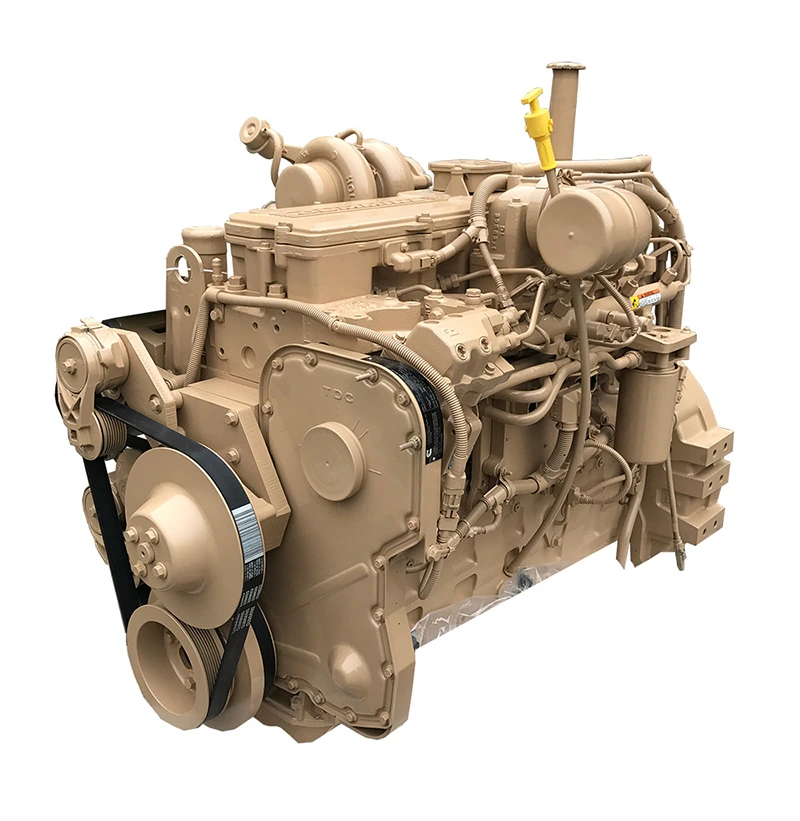
เครื่องยนต์ทดแทน Cummins QSC8.3: วิธีเลือกให้เหมาะสมกับเครื่องจักรกลก่อสร้างของคุณ
เลือกซื้อเครื่องยนต์ Cummins QSC8.3 รุ่นทดแทนที่เหมาะสมกับเครื่องจักรกลก่อสร้างของคุณ โดยตรวจสอบกำลังไฟฟ้า ความเร็ว อินเทอร์เฟซ ระบบระบายความร้อน และการตรวจสอบความถูกต้องก่อนสั่งซื้อ

หลังจากติดตั้งเครื่องยนต์ทดแทน Deutz F4L912 แล้ว ควรทดสอบอะไรบ้าง?
ตรวจสอบความถูกต้องของเครื่องยนต์ทดแทน Deutz F4L912 โดยตรวจสอบการตอบสนองต่อภาระ การไหลของอากาศหล่อเย็น แรงดันน้ำมัน ระบบควบคุม และกำลังการทำงานของเครื่องจักร ก่อนยอมรับ

เครื่องยนต์ทดแทน QSB4.5 สามารถขับเคลื่อนแพลตฟอร์มทำงานบนที่สูงได้หรือไม่?
เรียนรู้วิธีการเลือกเครื่องยนต์ทดแทน QSB4.5 ให้เหมาะสมกับแพลตฟอร์มทำงานบนที่สูง โดยตรวจสอบหน้าที่การทำงาน ความเร็ว การติดตั้ง ระบบระบายความร้อน ระบบควบคุม และข้อมูลการยอมรับ

เครื่องยนต์ดีเซลแบบระบายความร้อนด้วยอากาศและแบบระบายความร้อนด้วยน้ำ: แบบไหนดีกว่าสำหรับอุปกรณ์ก่อสร้าง?
เปรียบเทียบเครื่องยนต์ดีเซลแบบระบายความร้อนด้วยอากาศและแบบระบายความร้อนด้วยน้ำสำหรับเครื่องจักรกลก่อสร้าง โดยพิจารณาจากรูปแบบการระบายความร้อน สภาพแวดล้อม ความต้องการในการใช้งาน และการติดตั้ง
บริการ
บริการ

โซลูชันทางเทคนิคที่ปรับแต่งได้
ANTAIOS นำเสนอโซลูชันทางเทคนิคที่ปรับแต่งให้เหมาะสมกับคุณผ่าน 6 ขั้นตอนดังต่อไปนี้:
1. การรวบรวมความต้องการของคุณ:
เราจะสื่อสารกับคุณอย่างละเอียดเพื่อชี้แจงตัวชี้วัดประสิทธิภาพ เงื่อนไขการใช้งาน และงบประมาณทั้งหมด
2. การพัฒนาแผนทางเทคนิค:
ทีมวิศวกรของเราจะเสนอแผนที่กำหนดเองโดยอิงจากแพลตฟอร์มพื้นฐาน ดำเนินการจำลองและตรวจสอบความถูกต้องผ่านแบบร่างและการสร้างแบบจำลอง 3 มิติ
3. การผลิตเครื่องยนต์:
ผลิตและดัดแปลงเครื่องยนต์ตามแผนทางเทคนิค
4. การทดสอบบนแท่นทดสอบ:
ดำเนินการทดสอบเครื่องยนต์บนแท่นทดสอบอย่างครอบคลุมเพื่อตรวจสอบความถูกต้องของวัตถุประสงค์การออกแบบ
5. การตรวจสอบความถูกต้องของอุปกรณ์ผู้ใช้:
หลังจากได้รับเครื่องยนต์แล้ว เราจะติดตามประสิทธิภาพของเครื่องยนต์เป็นระยะเวลา 3, 6, 12, 24 และ 36 เดือน เพื่อให้มั่นใจถึงประสิทธิภาพในระยะยาว
6. การปรับปรุงโซลูชัน:
วิเคราะห์ข้อมูลการใช้งานเครื่องยนต์ ประเมินว่าการปรับแต่งผลิตภัณฑ์ตรงตามมาตรฐานหรือไม่ และทำการปรับปรุงแผนหากจำเป็น

การทดสอบบนแท่นทดสอบ
ที่ ANTAIOS เครื่องยนต์ทุกเครื่องผ่านการทดสอบบนแท่นทดสอบอย่างเข้มงวดและเป็นวิทยาศาสตร์ก่อนออกจากโรงงาน เพื่อให้มั่นใจว่าประสิทธิภาพและความน่าเชื่อถือตรงตามหรือเกินกว่าความคาดหวังของลูกค้า การทดสอบเครื่องยนต์บนแท่นทดสอบอย่างครบถ้วนประกอบด้วย 8 ขั้นตอน:
1. การเตรียมการทดสอบ
ตรวจสอบให้แน่ใจว่าเครื่องวัดกำลังเครื่องยนต์ เครื่องวัดการสิ้นเปลืองเชื้อเพลิง ระบบเก็บข้อมูล และเซ็นเซอร์อุณหภูมิ ความดัน และความเร็วต่างๆ ได้รับการสอบเทียบและทำงานได้อย่างถูกต้อง
2. การติดตั้งและการสอบเทียบเครื่องยนต์
การยกและการจัดวาง: ใช้เครื่องมือยกเพื่อวางเครื่องยนต์บนแท่นทดสอบอย่างระมัดระวังและเชื่อมต่อกับเครื่องวัดกำลังเครื่องยนต์ผ่านข้อต่อแบบยืดหยุ่น
3. การเชื่อมต่อระบบ ท่อ และสายไฟ
เชื่อมต่อท่อไอดีและท่อไอเสียของเครื่องยนต์ พร้อมกับท่ออื่นๆ ที่เกี่ยวข้องทั้งหมด ตามขั้นตอนที่กำหนด ติดตั้งเซ็นเซอร์และชุดสายไฟที่จำเป็นทั้งหมดเพื่อให้มั่นใจว่าการทำงานเป็นไปอย่างถูกต้อง
4. การสตาร์ทและการอุ่นเครื่อง
ไดนาโมมิเตอร์จะขับเคลื่อนเครื่องยนต์เพื่อหล่อลื่นชิ้นส่วนที่เคลื่อนที่ในเบื้องต้น หลังจากสตาร์ทแล้ว เครื่องยนต์จะทำงานเป็นเวลาหลายนาทีโดยไม่มีภาระหรือมีภาระต่ำมาก จากนั้นจึงอุ่นน้ำหล่อเย็นให้ถึงอุณหภูมิที่กำหนด
5. การทดสอบประสิทธิภาพต่างๆ
ดำเนินการทดสอบคุณลักษณะภายนอก การทดสอบการรับรองการปล่อยมลพิษ การทดสอบความทนทานและความน่าเชื่อถือ การทดสอบการรับภาระซ้ำ และอื่นๆ เพื่อประเมินประสิทธิภาพอย่างครอบคลุมจากหลายด้าน
6. การบันทึกและตรวจสอบข้อมูล
ระบบเก็บข้อมูลอัตโนมัติจะบันทึกข้อมูลจากเซ็นเซอร์ทั้งหมดอย่างต่อเนื่อง วิศวกรจะตรวจสอบเส้นโค้งพารามิเตอร์หลัก (เช่น กำลัง แรงบิด ฯลฯ) แบบเรียลไทม์จากห้องควบคุม
7. การตรวจสอบและการประมวลผลหลังการทดสอบ
ตรวจสอบการรั่วไหลของน้ำมันหรือน้ำหล่อเย็น ตรวจสอบการเชื่อมต่อท่อเชื้อเพลิงและซีลหัวฉีดเพื่อหาการรั่วไหลของเชื้อเพลิง ดำเนินการตรวจสอบภายในโดยการถอดประกอบและวัดขนาดอย่างแม่นยำ
8. การออกรายงานผลการทดสอบ
สรุปผลการตรวจสอบทั้งหมด ข้อมูลการวัด ภาพถ่าย และข้อสรุปเชิงวิเคราะห์ เพื่อจัดทำรายงานการตรวจสอบหลังการทดสอบโดยละเอียด