เกี่ยวกับเรา
บริษัท ปักกิ่ง อันไทออส เทคโนโลยี จำกัด เชี่ยวชาญด้านโซลูชั่นกำลังเครื่องยนต์สำหรับเครื่องจักรกลก่อสร้างขนาดเล็กและขนาดกลาง ด้วยประสบการณ์กว่า 10 ปี เราจึงนำเสนอโซลูชั่นที่ปรับแต่งได้ตามความต้องการ และการทดสอบอย่างเข้มงวดในโรงงาน พร้อมรายงานการทดสอบที่ครบถ้วนและข้อมูลที่ตรวจสอบย้อนกลับได้ เพื่อให้มั่นใจในคุณภาพที่เชื่อถือได้
รับใบเสนอราคาฟรี
-
บ้าน

-
บล็อก
-
อุตสาหกรรม
- เครื่องยนต์ Cummins 6.7 ลิตรแบบเดียวกัน สามารถผ่านมาตรฐานการปล่อยมลพิษในพื้นที่ของคุณได้หรือไม่?

เครื่องยนต์ Cummins 6.7 ลิตรแบบเดียวกัน สามารถผ่านมาตรฐานการปล่อยมลพิษในพื้นที่ของคุณได้หรือไม่?
-
ผู้เขียน
- 20 สิงหาคม
 ผู้เขียน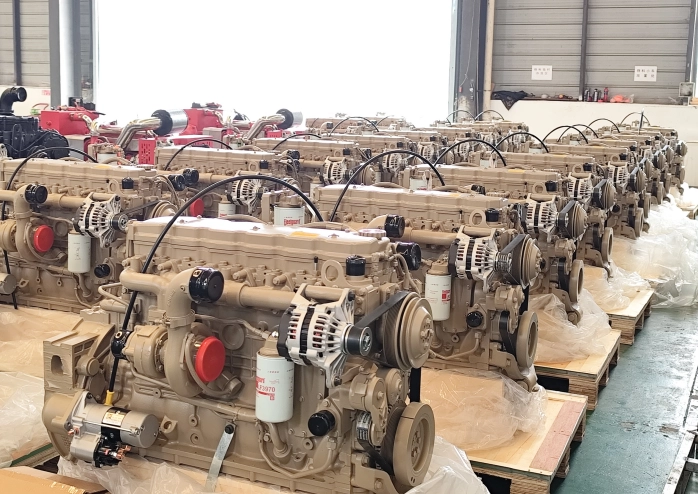
เครื่องจักรอาจผ่านการตรวจสอบความเหมาะสมทางกลทุกอย่าง แต่ก็ยังอาจสอบตกในด่านสำคัญที่ทำให้โครงการต้องหยุดชะงัก นั่นคือ การตรวจสอบการปล่อยมลพิษ การติดตั้งต่างๆ อาจตรงกัน กำลังเครื่องยนต์ดูเหมือนจะเหมาะสม แต่เครื่องยนต์อาจไม่ตรงตามข้อกำหนดของสถานที่ที่อุปกรณ์จะใช้งาน นั่นเป็นเหตุผลว่าทำไมการเลือกเครื่องยนต์ Cummins 6.7 ลิตรสำหรับอุปกรณ์นอกถนนรุ่นใหม่ ควรเริ่มต้นจากตลาดเป้าหมาย ไม่ใช่แค่ห้องเครื่องยนต์
ที่ พลังแอนตาอิออสเราจัดหาเครื่องยนต์ดีเซลประกอบใหม่สำหรับงานนอกถนน และเราถือว่าทุกโครงการเป็นงานที่เหมาะสมกับความต้องการ ไม่ใช่แค่การขายตามหมายเลขรุ่น เราตรวจสอบกำลังขับ ความเร็ว การเชื่อมต่อ ระบบระบายความร้อน รูปแบบท่อไอเสีย พื้นที่ติดตั้ง และสภาวะการใช้งาน สามารถดูรายละเอียดเพิ่มเติมเกี่ยวกับแนวทางของเราได้ที่ [ที่อยู่เว็บไซต์] บริษัท ANTAIOS POWER ประวัติโดยย่อเป้าหมายนั้นเรียบง่าย: เครื่องยนต์ต้องเหมาะสมกับเครื่องจักร ปริมาณงาน และแผนการปฏิบัติตามข้อกำหนดในเวลาเดียวกัน
ปัจจัยใดบ้างที่กำหนดว่า QSB6.7 เป็นไปตามข้อกำหนดด้านการปล่อยมลพิษในท้องถิ่นหรือไม่?
ก่อนที่จะเปรียบเทียบฮาร์ดแวร์ ให้กำหนดกฎที่เครื่องต้องปฏิบัติตามเสียก่อน การปฏิบัติตามกฎนั้นขึ้นอยู่กับปลายทาง การใช้งาน และหลักฐานที่จำเป็น
กฎระเบียบตลาดเป้าหมาย
กฎระเบียบเกี่ยวกับชิ้นส่วนนอกถนนแตกต่างกันไปในแต่ละตลาด การกำหนดค่าที่ได้รับการยอมรับในประเทศหนึ่งอาจต้องการการควบคุมหรืออุปกรณ์ท่อไอเสียที่แตกต่างกันในอีกประเทศหนึ่ง ดังนั้นควรกำหนดจุดหมายปลายทางก่อนที่จะสรุปการออกแบบเครื่องยนต์
หมวดหมู่การใช้งานอุปกรณ์
อุปกรณ์ก่อสร้าง เหมืองแร่ และอุตสาหกรรมอาจมีข้อกำหนดด้านการปฏิบัติตามกฎระเบียบที่แตกต่างกัน เครื่องยนต์ Cummins 6.7 ที่เลือกโดยพิจารณาจากปริมาตรกระบอกสูบและกำลังสูงสุดเพียงอย่างเดียว อาจไม่เหมาะสมกับการใช้งานขั้นสุดท้าย
หลักฐานการปฏิบัติตามข้อกำหนดที่จำเป็น
สอบถามว่าการกำหนดค่าที่แน่นอนนั้นออกแบบมาเพื่อตอบสนองความต้องการอะไรบ้าง และมีเอกสารอะไรมาด้วยบ้าง ข้อมูลการทดสอบและการรับรองตามข้อกำหนดนั้นมีความเกี่ยวข้องกัน แต่ไม่สามารถใช้แทนกันได้
คุณสมบัติใดของเครื่องยนต์ Cummins 6.7 ที่สำคัญที่สุดต่อประสิทธิภาพการปล่อยมลพิษ?
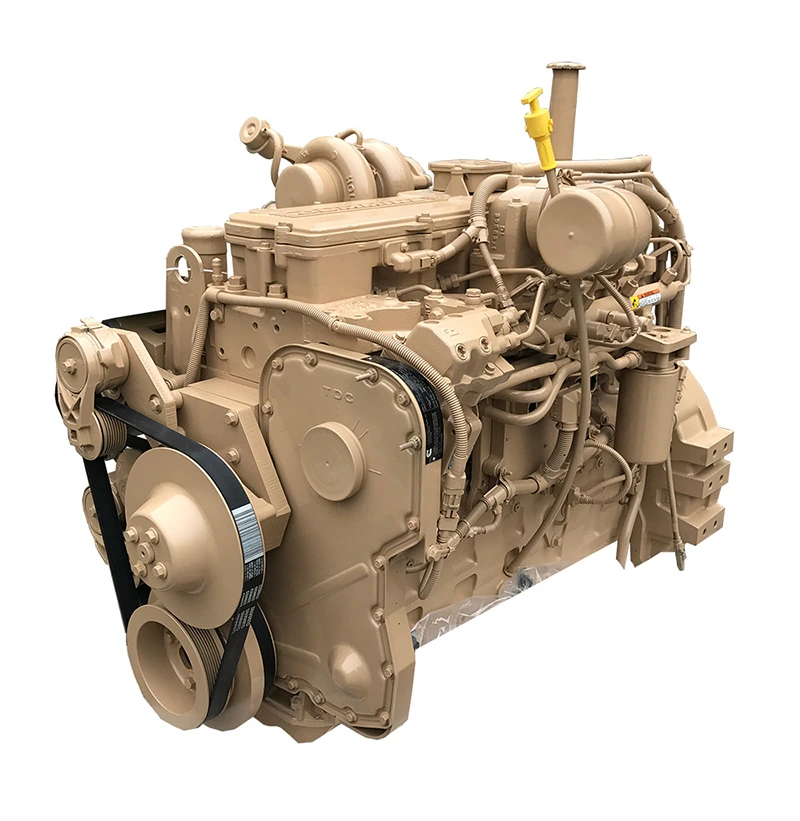
แพลตฟอร์ม QSB6.7 ใช้เครื่องยนต์ 6 สูบเรียง ขนาด 6.7 ลิตร เส้นผ่านศูนย์กลางกระบอกสูบ 107 มม. ระยะชัก 124 มม. พร้อมระบบเทอร์โบชาร์จและอินเตอร์คูลลิ่ง และระบบฉีดเชื้อเพลิงคอมมอนเรลแรงดันสูง คุณสมบัติเหล่านี้ช่วยให้ควบคุมการเผาไหม้ได้อย่างแม่นยำ แต่ผลลัพธ์ยังคงขึ้นอยู่กับการปรับแต่งและการกำหนดค่าระบบไอเสียด้วย
ระบบฉีดเชื้อเพลิงคอมมอนเรลแรงดันสูง
ระบบฉีดเชื้อเพลิงแบบคอมมอนเรลช่วยให้ควบคุมปริมาณและจังหวะการจ่ายเชื้อเพลิงได้ละเอียดขึ้นตามการเปลี่ยนแปลงของภาระ ซึ่งมีความสำคัญในอุปกรณ์ที่เครื่องยนต์ไม่ค่อยทำงานที่จุดใดจุดหนึ่งเป็นเวลานาน
อินเตอร์คูลลิ่งเทอร์โบชาร์จ
การไหลของอากาศและอุณหภูมิของอากาศที่เข้าสู่เครื่องยนต์ส่งผลต่อคุณภาพการเผาไหม้ ควัน การตอบสนอง และภาระความร้อน ระบบเทอร์โบชาร์จเจอร์ ระบบระบายความร้อนระหว่างการเผาไหม้ ระบบจ่ายเชื้อเพลิง และระบบระบายความร้อนต้องทำงานร่วมกันเป็นหนึ่งเดียว
การปรับเทียบกำลังและแรงบิด

เดอะ ANTAIOS QSB6.7 ซีรีส์ มีระดับกำลังไฟให้เลือกหลายระดับ ดังนั้นจึงสามารถเลือกกำลังไฟให้เหมาะสมกับรูปแบบการใช้งานจริง แทนที่จะเลือกเฉพาะตัวเลขที่สูงที่สุดเพียงอย่างเดียว
| รุ่น QSB6.7 | กำลังไฟฟ้าที่กำหนด | ความเร็วที่กำหนด | แรงบิดสูงสุด |
| QSB6.7-C130-30 | 99 กิโลวัตต์ | 2200 รอบต่อนาที | 580 นิวตันเมตร ที่ 1400 รอบต่อนาที |
| QSB6.7-C155-30 | 116 กิโลวัตต์ | 2000 รอบต่อนาที | 622 นิวตันเมตร ที่ 1500 รอบต่อนาที |
| QSB6.7-C220-30 | 164 กิโลวัตต์ | 2200 รอบต่อนาที | 949 นิวตันเมตร ที่ 1500 รอบต่อนาที |
| QSB6.7-C260-30 | 194 กิโลวัตต์ | 2200 รอบต่อนาที | 990 นิวตันเมตร ที่ 1500 รอบต่อนาที |
ควรปรับการกำหนดค่าการปล่อยมลพิษให้เหมาะสมกับตลาดของคุณอย่างไร?
การตรวจสอบความพอดีไม่ใช่แค่การตรวจสอบขนาดเท่านั้น เครื่องยนต์ Cummins 6.7 อาจต้องการการตั้งค่าควบคุม อุปกรณ์ท่อไอเสีย และการติดตั้งที่แตกต่างกันไปตามแต่ละตลาด
การเลือกใช้ระบบบำบัดหลังการฟอกไต
รูปแบบการระบายไอเสียที่จำเป็นนั้นขึ้นอยู่กับกฎระเบียบที่เกี่ยวข้องและการกำหนดค่าเครื่องยนต์ นอกจากนี้ยังอาจเปลี่ยนแปลงเส้นทาง การป้องกันความร้อน การเข้าถึงเพื่อการบำรุงรักษา และพื้นที่ว่างที่มีอยู่ด้วย
การปรับเทียบ ECU และการเผาไหม้
กำลัง แรงบิด กลยุทธ์การฉีดเชื้อเพลิง และการจัดการอากาศล้วนมีความเชื่อมโยงกัน การเปลี่ยนแปลงอย่างใดอย่างหนึ่งโดยไม่ตรวจสอบส่วนอื่นๆ อาจทำให้การตอบสนองแย่ลง เกิดควัน หรือเครื่องยนต์ทำงานไม่เต็มประสิทธิภาพเมื่อรับภาระหนัก
การผสานรวมระบบไอดีและไอเสีย
เพียงไม่กี่เซนติเมตรก็อาจกลายเป็นปัญหาทางวิศวกรรมที่สำคัญได้ ควรตรวจสอบข้อจำกัดในการดูดอากาศ ตำแหน่งท่อไอเสีย การจัดวางหม้อน้ำ การเดินท่อ และโครงสร้างใกล้เคียงในระหว่างการออกแบบเครื่องจักร
อะไรบ้างที่ต้องคงความเหมาะสมเหมือนเดิม นอกเหนือจากการปฏิบัติตามข้อกำหนดด้านการปล่อยมลพิษ?
ความเหมาะสมด้านการปล่อยมลพิษไม่ได้ช่วยแก้ไขปัญหาการทำงานที่ไม่ลงตัวทางกลไก เครื่องยนต์และเครื่องจักรยังคงต้องทำงานร่วมกันเป็นหนึ่งเดียว
ความเข้ากันได้ของกำลังและแรงบิด
อย่าเปรียบเทียบเฉพาะกำลังสูงสุดเพียงอย่างเดียว ตรวจสอบความเร็วรอบที่กำหนด แรงบิดที่รอบการทำงาน และรูปแบบการรับภาระที่อุปกรณ์จะได้รับด้วย
ความเข้ากันได้ของอินเทอร์เฟซเชิงกล
ตรวจสอบล้อช่วยแรง ตัวเรือนล้อช่วยแรง อินเทอร์เฟซ SAE จุดยึด ความต้องการ PTO และตำแหน่งการเชื่อมต่อก่อนเริ่มการผลิต
ความเข้ากันได้ในการระบายความร้อนและการติดตั้ง
ขนาดฐานอ้างอิงสำหรับซีรี่ส์ QSB6.7 คือ 1150 × 810 × 910 มม. โดยมีน้ำหนักสุทธิโดยประมาณ 520 กก. ไม่รวมพัดลมระบายความร้อนและหม้อน้ำ ควรเผื่อพื้นที่สำหรับชิ้นส่วนระบายความร้อน ช่องระบายอากาศ ท่อ สายไฟ และพื้นที่สำหรับการบำรุงรักษาในระหว่างการติดตั้งจริงด้วย
ผู้ซื้อควรตรวจสอบอะไรบ้างก่อนสั่งซื้อ QSB6.7 ที่มีขนาดพอดีกัน?
สำหรับโครงการจัดซื้ออุปกรณ์ใหม่ ควรแก้ไขปัญหาเรื่องการปล่อยมลพิษและการติดตั้งให้เรียบร้อยก่อนออกใบสั่งซื้อ เครื่องยนต์ Cummins 6.7 ควรมีข้อตกลงทางเทคนิคเป็นลายลักษณ์อักษร ไม่ใช่แค่คำอธิบายรุ่นแบบคร่าวๆ
ข้อมูลเครื่องยนต์และอุปกรณ์
เตรียมข้อมูลเกี่ยวกับกำลังไฟฟ้าเป้าหมาย ความเร็วรอบที่กำหนด ประเภทอุปกรณ์ แบบร่างการติดตั้ง ขนาดส่วนต่อประสาน แผนการระบายความร้อน ตำแหน่งท่อไอเสีย และสภาวะการทำงาน
เอกสารเกี่ยวกับการปล่อยมลพิษและการปฏิบัติตามข้อกำหนด
ระบุประเทศปลายทางและระดับการปล่อยมลพิษนอกถนนที่ต้องการเป็นลายลักษณ์อักษร หากต้องการใบรับรองอย่างเป็นทางการ ผลการทดสอบในห้องปฏิบัติการไม่ควรนำมาใช้แทนได้
บันทึกการทดสอบบนแท่นทดสอบและการตรวจสอบย้อนกลับ
เดอะ กระบวนการบริการของ ANTAIOS POWER ใช้ขั้นตอนการทดสอบที่กำหนดไว้และบันทึกที่ตรวจสอบได้ ทำให้ผู้ซื้อได้รับหลักฐานที่เป็นประโยชน์มากกว่าวิดีโอแนะนำการใช้งานทั่วไป
| รายการตรวจสอบ | ANTAIOS POWER Test Scope |
| การทดสอบเครื่องยนต์โดยรวม | ข้อสอบมากกว่า 30 ข้อ |
| ข้อมูลประสิทธิภาพ | ข้อมูลสำคัญ 18 รายการ |
| การวัดมลพิษ | สามารถทดสอบตัวชี้วัดได้ 5 ตัว ได้แก่ NOx, CO, HC และความทึบแสงของควัน |
| การตรวจสอบข้อมูล | ข้อมูลจากเครื่องวัดกำลังและข้อมูลจากเซ็นเซอร์เครื่องยนต์สามารถนำมาตรวจสอบเปรียบเทียบกันได้ |
เหตุใดจึงควรเลือกใช้ ANTAIOS POWER สำหรับโครงการ QSB6.7 ที่มีขนาดพอดีกัน?
ผู้จัดจำหน่ายด้านเทคนิคจะเพิ่มมูลค่าเมื่อมองว่าเครื่องยนต์เป็นส่วนหนึ่งของเครื่องจักร แทนที่จะมองว่าเป็นเพียงกล่องที่มีป้ายราคาติดอยู่
QSB6.7 การจับคู่ผลิตภัณฑ์
ANTAIOS POWER สามารถเลือกกำลังไฟ QSB6.7 ให้เหมาะสมกับอุปกรณ์แทนที่จะใช้กำลังไฟคงที่เพียงค่าเดียว เนื่องจากกำลังไฟ ความเร็ว และแรงบิดที่กำหนดนั้นแตกต่างกันมากพอที่จะทำให้การเลือกใช้เป็นเรื่องของการตัดสินใจทางวิศวกรรมอย่างแท้จริง
กระบวนการตรวจสอบทางเทคนิค
ขั้นตอนการทำงานครอบคลุมตั้งแต่การรวบรวมข้อกำหนด การตรวจสอบการกำหนดค่า การตรวจสอบความเข้ากันได้ ข้อตกลงทางเทคนิค การผลิต การทดสอบเครื่องยนต์ การตรวจสอบ และการส่งมอบ
การปรึกษาหารือและการยืนยันโครงการ
ส่งไปยังตลาดปลายทางโปรดติดต่อฝ่ายเทคนิคของ ANTAIOS POWER เพื่อขอข้อมูลเกี่ยวกับระดับการปล่อยมลพิษที่ต้องการ ประเภทของอุปกรณ์ กำลังและความเร็วเป้าหมาย ข้อมูลการติดตั้ง และสภาพการทำงาน เครื่องยนต์ Cummins 6.7 ที่เหมาะสมควรทำงานเป็นส่วนหนึ่งของเครื่องจักรทั้งหมด ไม่ใช่เพียงแค่ติดตั้งระหว่างรางเฟรมเท่านั้น
บทสรุป
เครื่องยนต์ Cummins 6.7 ที่มีขนาดใกล้เคียงกันนั้น ไม่ควรพิจารณาเพียงแค่ขนาด กำลัง หรือชื่อรุ่นที่คุ้นเคยเท่านั้น การวิเคราะห์ของเราแสดงให้เห็นว่า การตัดสินใจซื้อที่แข็งแกร่งกว่านั้นขึ้นอยู่กับปัจจัยสี่ประการ ได้แก่ ตัวเครื่องจักรเอง รอบการใช้งานของเครื่องจักร ข้อกำหนดด้านการปล่อยมลพิษในท้องถิ่น และหลักฐานที่มาพร้อมกับเครื่องยนต์
เมื่อตกลงปัจจัยเหล่านี้กันก่อนการผลิตแล้ว ปัญหาเรื่องการปฏิบัติตามข้อกำหนดก็จะกลายเป็นปัจจัยด้านการออกแบบของอุปกรณ์ที่มีคุณภาพดี แทนที่จะเป็นปัญหาที่เกิดขึ้นในขั้นตอนสุดท้าย นั่นคือคุณค่าที่แท้จริงของการจับคู่ทางเทคนิค: การตั้งสมมติฐานน้อยลง ความประหลาดใจน้อยลง และเครื่องจักรที่พร้อมสำหรับตลาด
คำถามที่พบบ่อย
ถาม: เครื่องยนต์ Cummins 6.7 ทุกรุ่นใช้ระบบควบคุมการปล่อยมลพิษแบบเดียวกันหรือไม่?
A: ไม่ครับ เครื่องยนต์ในตระกูลปริมาตรกระบอกสูบเดียวกันอาจใช้ค่ากำลัง การปรับเทียบ และการกำหนดค่าเฉพาะการใช้งานที่แตกต่างกันได้ โปรดตรวจสอบข้อมูลจำเพาะที่แน่นอน ความต้องการของปลายทาง ระบบไอเสีย และเอกสารที่ให้มา ก่อนสั่งซื้อ
ถาม: การเลือก QSB6.7 สำหรับอุปกรณ์ใหม่ให้ตรงกับกำลังไฟที่ระบุไว้เพียงพอหรือไม่?
A: ไม่ครับ เรายังต้องตรวจสอบความเร็วรอบที่กำหนด เส้นโค้งแรงบิด ล้อช่วยแรงและตัวเรือน จุดยึด ระบบระบายความร้อน การจัดวางท่อไอเสีย ระบบควบคุมไฟฟ้า พื้นที่ติดตั้ง รวมถึงชุดอุปกรณ์ควบคุมการปล่อยมลพิษที่จำเป็นด้วย
ถาม: การทดสอบบนแท่นทดสอบสามารถพิสูจน์ได้หรือไม่ว่าเครื่องยนต์นั้นเป็นไปตามข้อกำหนดทางกฎหมายในตลาดของฉัน?
A: การทดสอบบนแท่นทดสอบสามารถแสดงประสิทธิภาพของผลิตภัณฑ์และตรวจสอบการปล่อยมลพิษที่เกี่ยวข้องได้ อย่างไรก็ตาม ในหลายประเทศ การทดสอบการปล่อยมลพิษจำเป็นต้องได้รับการรับรองหรืออนุมัติโดยกฎหมายท้องถิ่น ตรวจสอบทั้งหลักฐานทางเทคนิคและเอกสารทางกฎหมายที่จำเป็น
บทความล่าสุด




ผลิตภัณฑ์ที่เกี่ยวข้อง
สินค้าขายดี

ซีรีส์ 912/W
เครื่องยนต์ซีรีส์ 912 เป็นเครื่องยนต์ดีเซลระบายความร้อนด้วยอากาศ มีกำลังตั้งแต่ 14-76 กิโลวัตต์ และความเร็วรอบตั้งแต่ 1500-2500 รอบต่อนาที เครื่องยนต์ซีรีส์นี้มีให้เลือกทั้งแบบ 2, 3, 4 และ 6 สูบ
เครื่องยนต์ซีรีส์ 912W เป็นรุ่นที่ได้รับการปรับปรุงจากซีรีส์ 912 เพื่อให้เหมาะสมกับสภาพแวดล้อมการทำงานในเหมืองใต้ดินมากขึ้น เครื่องยนต์ซีรีส์ 912W จึงมีการปล่อยมลพิษที่ลดลง
ตลอดทศวรรษที่ผ่านมา เครื่องยนต์ดีเซลซีรีส์ 912 ของ ANTAIOS ได้ถูกส่งออกไปยังกว่า 100 ประเทศ ผลิตภัณฑ์นี้ส่วนใหญ่ใช้ในเครื่องจักรกลก่อสร้าง อุตสาหกรรม และการเกษตร

ซีรีส์ 914
เครื่องยนต์ดีเซลซีรีส์ 914 นิยมใช้ในสภาพแวดล้อมการทำเหมืองใต้ดิน เครื่องยนต์ระบายความร้อนด้วยอากาศนี้มีกำลังตั้งแต่ 41-141 กิโลวัตต์ และความเร็วรอบตั้งแต่ 1500-2500 รอบต่อนาที มีให้เลือกทั้งแบบดูดอากาศปกติและแบบเทอร์โบชาร์จ เพื่อตอบสนองความต้องการที่แตกต่างกันของคุณ
แตกต่างจากเครื่องยนต์ซีรีส์ 914 ส่วนใหญ่ที่ผลิตในโรงงานจีน ANTAIOS ใช้ชิ้นส่วนแท้จากเยอรมนีสำหรับเครื่องยนต์ซีรีส์ 914 ของตน ซึ่งรับประกันคุณภาพของเครื่องยนต์ในขณะที่เสนอราคาที่ต่ำกว่าแบรนด์ยุโรป

ซีรีส์ปี 2012
เครื่องยนต์ซีรีส์ 2012 เป็นเครื่องยนต์ระบายความร้อนด้วยน้ำที่ผลิตโดย DEUTZ ประเทศเยอรมนี เครื่องยนต์ซีรีส์นี้ใช้กันอย่างแพร่หลายในด้านการก่อสร้างและการผลิตไฟฟ้า มีให้เลือกทั้งแบบ 4 สูบและ 6 สูบ รุ่นที่นิยมใช้กันทั่วไป ได้แก่ BF4M2012, BF4M2012C และ BF6M2012C หากอุปกรณ์ของคุณใช้เครื่องยนต์ DEUTZ ซีรีส์ 2012 ANTAIOS สามารถจัดหาโซลูชันทดแทนที่เหมาะสมให้คุณได้
เครื่องยนต์ดีเซลซีรีส์ 2012 ของเราครอบคลุมช่วงกำลัง 75–155 กิโลวัตต์ โดยมีความเร็วรอบ 1500–2500 รอบต่อนาที หากคุณมีความต้องการที่กำหนดเอง เรายังสามารถจัดหาการกำหนดค่าเพิ่มเติม เช่น ระบบระบายความร้อน ที่ปรับแต่งให้ตรงกับความต้องการเฉพาะของคุณได้

ซีรีส์ TCD2012/2013
เครื่องยนต์ดีเซลซีรีส์ TCD2012/2013 เป็นเครื่องยนต์ดีเซลระบบคอมมอนเรลแรงดันสูง ระบายความร้อนด้วยน้ำ เมื่อเทียบกับรุ่นมาตรฐาน เครื่องยนต์รุ่นนี้มีมาตรฐานการปล่อยมลพิษที่สูงกว่า ทำให้เหมาะสำหรับงานที่มีข้อกำหนดด้านการปล่อยมลพิษที่เข้มงวดกว่า ในอดีตมีการใช้งานอย่างแพร่หลายในงานเหมืองใต้ดิน
เครื่องยนต์ซีรีส์ TCD2012/2013 ที่จัดจำหน่ายโดย ANTAIOS โดยทั่วไปมีระยะเวลาส่งมอบประมาณหนึ่งเดือน หากข้อกำหนดด้านการกำหนดค่าไม่ซับซ้อนมากนัก ระยะเวลาส่งมอบอาจลดลงเหลือประมาณ 10 วัน เนื่องจากเครื่องยนต์ซีรีส์ TCD2012 ที่จัดจำหน่ายโดย ANTAIOS นั้นผลิตตามสั่ง จึงไม่มีการเก็บสต็อก เครื่องยนต์ทั้งหมดจะถูกกำหนดตารางการผลิตหลังจากที่คุณสั่งซื้อแล้ว

ซีรี่ส์ 1015
เครื่องยนต์ DEUTZ ซีรีส์ 1015 เป็นเครื่องยนต์ระบายความร้อนด้วยน้ำขนาดใหญ่ มีให้เลือกทั้งแบบ 6 สูบและ 8 สูบ แตกต่างจากเครื่องยนต์ระบายความร้อนด้วยน้ำแบบ 4 สูบหรือ 6 สูบอื่นๆ ของ DEUTZ เครื่องยนต์รุ่นนี้มีการจัดเรียงกระบอกสูบแบบตัว V ซึ่งช่วยลดพื้นที่ที่ต้องการในการติดตั้งได้อย่างมาก
เครื่องยนต์ BFM1015 ที่จัดจำหน่ายโดย ANTAIOS ผลิตโดยผู้ผลิตที่มีชื่อเสียงในประเทศจีน เครื่องยนต์เหล่านี้มักใช้ในอุปกรณ์เฉพาะทางที่ต้องการประสิทธิภาพสูง ก่อนส่งมอบ เครื่องยนต์แต่ละเครื่องจะผ่านการทดสอบบนแท่นทดสอบตามมาตรฐานของโรงงานเดิม พร้อมกับการทดสอบเพิ่มเติมตามข้อกำหนดเฉพาะ เพื่อให้มั่นใจว่าเครื่องยนต์ที่เราจัดหาให้ตรงตามความต้องการใช้งานของคุณอย่างครบถ้วน

ซีรี่ส์ TCD2015
เครื่องยนต์ซีรีส์ TCD2015 เป็นเครื่องยนต์ดีเซลแบบ V-type 4 จังหวะ ระบายความร้อนด้วยน้ำ มีให้เลือกทั้งรุ่น V6 และ V8 กำลังขับตั้งแต่ 240-500 กิโลวัตต์ ความเร็วรอบการทำงานทั่วไปอยู่ที่ 2100 รอบต่อนาที ผ่านมาตรฐานการปล่อยมลพิษ Euro III ขึ้นไป เครื่องยนต์นี้ใช้กันอย่างแพร่หลายในเครื่องจักรกลก่อสร้าง เครื่องกำเนิดไฟฟ้า อุปกรณ์เหมืองแร่ พลังงานทางทะเล และอุปกรณ์น้ำมันและก๊าซ
นอกจากตัวเลือกการกำหนดค่าที่ปรับแต่งได้แล้ว ANTAIOS ยังมีบริการพ่นสีแบบกำหนดเอง โดยทั่วไปแล้ว เราจะใช้สีเทาหากไม่ได้ระบุไว้เป็นอย่างอื่น